Easter Lily Cactus Care – Quick Facts
| Light Exposure | Full sun to partial shade (some protection from harsh afternoon sun) |
| Watering Needs | Low; allow soil to dry completely between waterings |
| Mature Size | About 1 foot tall and up to 2 feet wide |
| Growth Rate | Slow to moderate |
| Maintenance Level | Low |
| Blooming Season | Spring (often around Easter) |
| Cold Hardiness (USDA Zone) | Zones 8–11 |
| Soil Type | Well-draining cactus or succulent mix |
Easter Lily Cactus Care: Growing Echinopsis Oxygona in Tucson Gardens
Harlow Gardens has been helping Southern Arizona gardeners cultivate vibrant, resilient landscapes since 1957. Over the decades, we have seen which desert species bring the most joy to high desert homes. The Easter lily cactus (Echinopsis oxygona) is a stunning addition to any sunny space, known for its elegant mounding form and massive pink blooms that appear each spring, often around Easter. This small but showstopping plant fits beautifully in containers, patio displays, or tucked into desert rock gardens. With minimal maintenance and high visual impact, it makes a memorable gift or front yard statement piece that thrives year-round in Tucson’s dry climate.
Whether you want to showcase a potted specimen on your entryway table or build a low-water rock garden, mastering Easter lily cactus care ensures you enjoy spectacular seasonal flowers year after year.
Understanding the Easter Lily Cactus (Echinopsis oxygona)
The Easter lily cactus is a popular flowering succulent native to South America. It earns its common name from the extraordinary, trumpet-shaped blossoms that resemble classic Easter lilies, both in shape and timing.
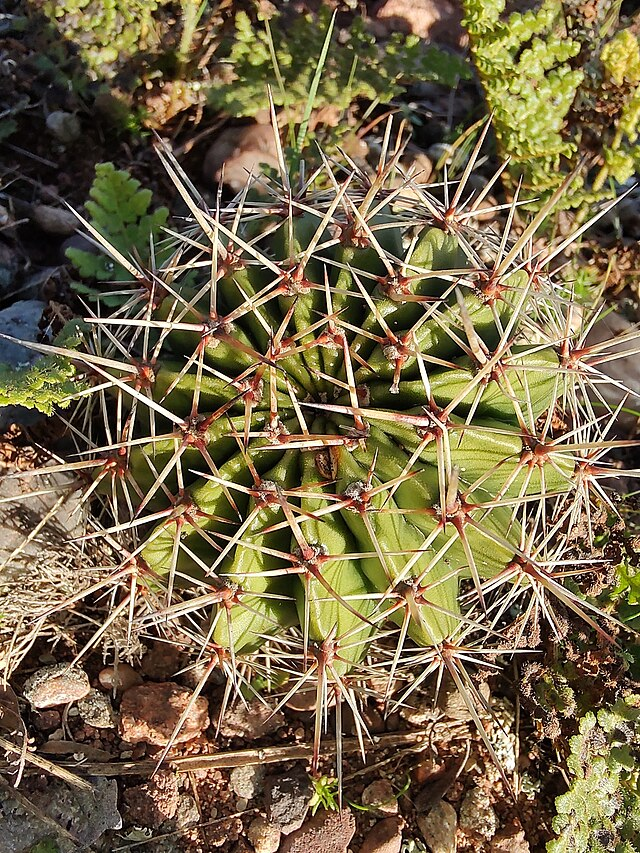
This charming species grows as a small, rounded, ribbed green stem equipped with soft spines. Over time, it forms a low mound that can spread up to two feet wide. In spring, it produces massive flowers that are often larger than the plant itself. These dramatic pink blooms open in the evening and last just a day or two, but multiple buds emerge sequentially over several weeks. As the plant matures, Echinopsis oxygona produces offsets, often called pups, that can be divided and replanted.
Sunlight Requirements for High Desert Spaces
Light exposure plays a central role in proper Easter lily cactus care in Southern Arizona. While this plant loves bright light to fuel flower production, intense summer afternoon sun can scorch its deep green skin.
For optimal health, choose a spot with bright morning light and filtered afternoon shade. Eastern exposures or locations beneath covered patios work exceptionally well. Indoors, aim for a south-facing or west-facing window with good airflow. In full shade, the stems may stretch out and produce far fewer flower buds. You can learn more about managing desert exposure in our guide to shade-loving desert plants.
- Morning Sun: Provide four to six hours of direct morning sunlight to promote strong spine growth and bud formation.
- Afternoon Relief: Offer shade during peak summer hours to protect delicate blooms and prevent tissue bleaching.
- Air Circulation: Ensure indoor or patio locations receive steady air movement to prevent moisture buildup.
Planting Instructions: Containers vs. In-Ground
The Easter lily cactus is remarkably versatile and adapts easily to decorative pots or native soil beds. Following proper planting procedures gives your new cactus the best start possible in our arid environment.
Indoor and Potted Planting Instructions
The Easter lily cactus is a great choice for containers, especially when paired with a decorative ceramic pot. Always select a container equipped with functional drainage holes. Fill the pot with a gritty cactus or succulent mix that allows excess moisture to pass through rapidly. Place the container in a sunny spot with bright morning light or filtered afternoon sun. Indoors, position it near a bright window and water only when the soil has dried out completely.
Outdoor and Grounded Planting Instructions
In Tucson, this species does beautifully when planted directly outdoors. Select a garden spot with excellent drainage and partial afternoon shade to shield the plant during peak summer heat. Dig a hole slightly wider than the root ball, place the cactus so the base sits just above the surrounding soil level, and water lightly. Once established, it thrives with very little attention and becomes more impressive each year as it forms a dense clump.
Watering and Irrigation Best Practices
This desert native prefers to stay on the dry side. Proper watering is single-handedly the most vital part of overall Easter lily cactus care during our hot Tucson summers.
During the active growing season from spring through fall, water deeply but infrequently, allowing the soil to dry out completely between sessions. In winter, watering should be rare or skipped entirely, especially if the plant is outdoors and dormant. Overwatering is the most common issue gardeners face, so when in doubt, wait a few extra days before applying water.
- Spring and Summer: Water deeply every 7 to 14 days, verifying that the soil mix is thoroughly dry before rewatering.
- Fall and Winter: Reduce watering to once a month, or suspend watering completely during cold dormant periods.
- Container Care: Check potted plants frequently, but ensure water drains completely out of saucer trays to prevent wet roots.
If leaves or stems appear soft or discolored, inconsistent watering or trapped moisture is usually the cause. To learn more about setting up drip schedules for low-water plants, check out our tutorial on desert irrigation setup.
Soil Preparation and Fertilization
Providing gritty, porous soil is essential for long-term Easter lily cactus care. Native Tucson soils are often packed with heavy clay and caliche, which can trap water around delicate root systems.
Amend native planting holes with equal parts organic compost, coarse pumice, and granite grit to guarantee rapid drainage. When growing in pots, use a specialized, low-peat cactus potting blend.
Feeding your cactus fuels those massive spring flowers. Fertilize Echinopsis oxygona in early spring with a cactus-specific or low-nitrogen fertilizer as new growth begins. A second light feeding in midsummer can help maintain plant health throughout the heat. Avoid fertilizing in fall and winter when the plant slows down or enters dormancy. You can cross-reference recommended soil amendments with the University of Arizona Cooperative Extension for localized soil advice.
Pruning and Routine Maintenance
Ongoing Easter lily cactus care is light, simple, and rewarding. Because this species maintains a tidy mounding habit naturally, heavy pruning is never required.
Perform light routine maintenance to keep your display looking clean and vibrant throughout the flowering season. Always use thick leather gloves when handling Echinopsis oxygona to protect your hands from soft but sharp spines.
- Remove Spent Blooms: Gently twist off dried flowers or spent stems after the blossoms fade to keep the plant neat.
- Check Root Space: If growing in a pot, check the root system annually to ensure the plant is not becoming overly rootbound.
- Repotting: Repot every two to three years into fresh cactus soil and a slightly larger pot to encourage fresh growth.
For more seasonal care advice, explore our helpful article on spring garden pruning tips.
Winter Protection and Cold Hardiness
The Easter lily cactus is cold hardy down to approximately 20°F to 25°F, making it well-suited for USDA Zones 8 through 11. While Tucson winters are generally mild, severe frost can damage tender flower buds and stem tissue. You can check your specific local hardiness microclimate on the USDA Plant Hardiness Zone Map.
Taking a few protective steps during unexpected freezes ensures your Easter lily cactus stays healthy and ready for spring blooms.
- Covering Plants: Cover outdoor cacti with breathable frost cloth or a burlap sack when freeze warnings are issued.
- Moving Containers: Shift potted plants under a porch roof or bring them indoors during severe overnight freezes.
- Dry Soil Shield: Keep soil dry during cold snaps, as dry roots tolerate freezing temperatures much better than damp roots.
Easy Propagation Methods
Propagating the Easter lily cactus is simple and yields fantastic results, allowing you to create new potted gifts or expand your garden borders.
Echinopsis oxygona is easily propagated by separating offsets, or pups, that form around the base of the mother plant. Wait until the pup is at least a few inches wide, then gently detach it with a clean knife or twist. Let the base of the cutting dry in a shady spot for a few days until a hard callus forms. Plant the calloused pup in well-draining cactus soil and water sparingly until roots establish. You can also grow this plant from seed, though it is a much slower process.
Common Pests and Troubleshooting
The Easter lily cactus is remarkably pest-resistant, but indoor conditions or poor ventilation can occasionally attract minor sap-sucking insects. Regular inspection keeps your collection healthy.
The most common pests affecting Easter lily cactus care include mealybugs and spider mites, which cluster in the ribs or beneath spines. For chemical-free treatment options, review the UC IPM Integrated Pest Management guidelines for gentle pest management.
- Pest Control: Treat mealybugs or spider mites promptly using a cotton swab dipped in rubbing alcohol, insecticidal soap, or neem oil.
- Root Rot: Root rot is caused by excessive watering or dense, water-logged soil. Always err on the dry side and verify pot drainage.
- Sunburn Marks: Brownish or yellowish patches indicate sun scorch. Move the cactus into a spot with afternoon shade.
For high quality organic pest controls and expert advice, visit our retail nursery at Harlow Gardens. You can also discover complementary low-water plants in our guide to best hummingbird plants for Tucson.
Frequently Asked Questions
Q: Can an Easter lily cactus stay outdoors year-round in Tucson?
A: Yes, it thrives outdoors year-round in Tucson when given afternoon shade during summer and light protection during hard freezes.
Q: How often does an Easter lily cactus bloom?
A: It blooms primarily in spring, often around Easter, but mature plants frequently produce multiple flushes of flowers throughout the summer.
Q: Are Easter lily cactus spines dangerous to pets?
A: Echinopsis oxygona is non-toxic to cats and dogs, though its spines can cause minor discomfort. Learn more on the ASPCA Non-Toxic Plants List.
Q: Why are my cactus blooms closing so quickly?
A: Individual flowers naturally open in the evening and last only one or two days, but the plant will continue producing new buds over several weeks.
Bring Home an Easter Lily Cactus
Visit Harlow Gardens to find your own Easter Lily Cactus—perfect as a springtime gift or patio centerpiece. We’ll help you pair it with the right pot, soil, and care tips so you can enjoy its blooms for years to come.